
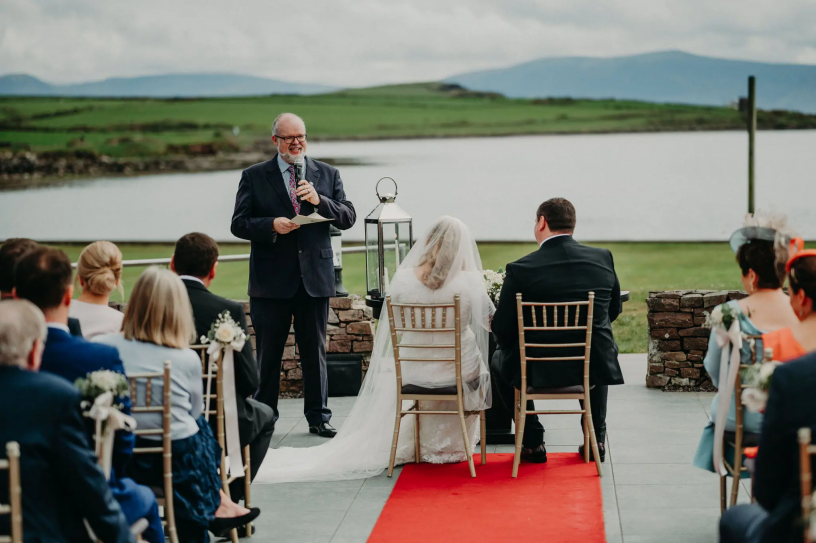


Planning a wedding in Ireland involves many important decisions, and one of the most significant is choosing the person who will legally and personally lead your ceremony. Whether you’re planning a civil, humanist, spiritual, or symbolic celebration, understanding the role of a celebrant or solemniser is essential.
While these terms are often used interchangeably, they have different meanings under Irish law. Knowing the distinction can help you choose the right professional for your wedding and ensure your ceremony is both meaningful and legally recognised.
What Is a Celebrant?
A celebrant is a professional who conducts wedding ceremonies and helps couples create a personalised experience that reflects their relationship, beliefs, and values.
Celebrants can perform various types of ceremonies, including:
- Civil-style ceremonies
- Humanist ceremonies
- Spiritual ceremonies
- Interfaith weddings
- Vow renewals
- Commitment ceremonies
- Elopements
Many celebrants work closely with couples to design a ceremony that tells their unique love story rather than following a traditional script.
What Is a Solemniser?
In Ireland, a solemniser is a person who is legally authorised to perform marriages under the Civil Registration Act 2004.
Only a registered solemniser can legally solemnise a marriage in Ireland.
Depending on the ceremony, a solemniser may be:
- A registrar conducting a civil ceremony
- A religious solemniser
- A spiritual or humanist solemniser who is registered to legally perform marriages
Before booking your ceremony, it’s important to confirm that your chosen celebrant is also a registered solemniser if you want your marriage to be legally recognised during the ceremony.
Responsibilities of a Celebrant
Creating a Personalised Ceremony
One of the biggest responsibilities of a celebrant is designing a ceremony that reflects the couple’s personalities, traditions, and preferences.
This may include:
- Learning your love story
- Writing personalised ceremony scripts
- Including meaningful readings
- Incorporating cultural traditions
- Creating unique vows
- Planning symbolic rituals
Every ceremony is designed to feel authentic rather than generic.
Helping Couples Plan the Ceremony
Celebrants guide couples through every stage of ceremony planning.
They often assist with:
- Ceremony structure
- Entrance and exit planning
- Music suggestions
- Reading selections
- Timing of the ceremony
- Family participation
- Ring exchange
- Unity ceremonies
Their experience helps create a ceremony that flows naturally from beginning to end.
Officiating the Wedding Ceremony
On the wedding day, the celebrant leads the ceremony with professionalism and confidence.
Responsibilities include:
- Welcoming guests
- Introducing the ceremony
- Conducting readings
- Guiding the exchange of vows
- Leading the ring ceremony
- Announcing the marriage
- Creating a relaxed atmosphere
An experienced celebrant also adapts smoothly if unexpected situations arise.
Supporting the Couple
Many couples experience nerves before the ceremony.
Celebrants often help by:
- Offering reassurance
- Explaining each step beforehand
- Keeping the ceremony relaxed
- Ensuring everyone knows their role
- Helping couples feel comfortable throughout the ceremony
Responsibilities of a Registered Solemniser
If the celebrant is also a registered solemniser, they have additional legal responsibilities.
These include:
Ensuring Legal Requirements Are Met
A registered solemniser must ensure the marriage complies with Irish marriage law.
This includes confirming:
- The couple has completed the required marriage notification process.
- The Marriage Registration Form (MRF) is available on the day.
- Both parties freely consent to marriage.
- The legal declarations required by Irish law are made during the ceremony.
Witnessing the Marriage
A legal marriage ceremony in Ireland requires:
- Two witnesses aged 18 or over
- The couple
- The registered solemniser
The solemniser oversees this legal process during the ceremony.
Signing the Marriage Registration Form
Following the ceremony, the solemniser ensures the Marriage Registration Form is correctly signed by:
- The couple
- Both witnesses
- The solemniser
This document is then used to officially register the marriage.
What Makes a Great Celebrant?
While legal authority is important, couples often look for qualities that help create a memorable ceremony.
These include:
- Excellent communication skills
- Warm and engaging personality
- Strong public speaking ability
- Attention to detail
- Professionalism
- Flexibility
- Experience with different ceremony styles
- Ability to personalise every ceremony
A great celebrant helps guests feel connected to the couple’s story while creating a ceremony everyone remembers.
Questions to Ask Before Booking a Celebrant
Before making your decision, consider asking:
- Are you a registered solemniser in Ireland?
- What types of ceremonies do you perform?
- Can we personalise the ceremony?
- How many planning meetings are included?
- Will you help write our vows?
- Have you performed ceremonies at our venue before?
- Do you offer rehearsal support?
- What happens if an emergency prevents you from attending?
These questions help ensure there are no surprises closer to your wedding day.
Choosing the Right Celebrant in Ireland
Ireland offers couples a wide range of ceremony styles, from traditional religious weddings to contemporary outdoor celebrations overlooking mountains, castles, beaches, or country estates.
Choosing the right celebrant or solemniser is about more than fulfilling legal requirements—it’s about finding someone who understands your vision and can create a ceremony that reflects your relationship.
Take time to meet potential celebrants, read reviews, and discuss your ideas before making a decision.
Final Thoughts
Your wedding ceremony is one of the most meaningful moments of your special day, and the person leading it plays a vital role in shaping that experience.
Understanding the difference between a celebrant and a registered solemniser in Ireland helps ensure your ceremony is both legally compliant and deeply personal. Whether you dream of a traditional ceremony or something entirely unique, selecting the right professional will help create a memorable beginning to your married life.



Leave a Reply